Posts

Showing posts with the label Diabetes

Better Blood Sugar Control Could Reverse Diabetes-Related Brain Damage

Image
According to the latest study, Type 1 diabetes-related brain damage in teenagers may be treatable. In a study recently published in the journal Nature Communications, researchers found that teens with Type 1 diabetes who closely monitor their blood sugar levels may be able to decrease the disease's negative effects on the brain, effects that have been observed even in younger children. According to the findings, better glucose control may potentially improve the structure and function of the brain in children with Type 1 diabetes, bringing them closer to their non-diabetic peers. This proof-of-concept pilot trial, the most extensive study on the subject to date, was directed by researchers from Stanford University School of Medicine and Nemours Children's Health in Jacksonville. Pediatric endocrinologist Nelly Mauras, MD, of Nemours Children's Health Jacksonville and professor of pediatrics at Mayo Clinic College of Medicine, is the paper's senior author and co-principa...

Shockingly Simple: Drink More Tea To Reduce the Risk of Developing Type 2 Diabetes

Image
According to the findings of a systematic review and meta-analysis of 19 cohort studies including more than 1 million adults from eight countries, moderate use of black, green, or oolong tea is connected to a lower risk of acquiring type 2 diabetes (T2D). According to the research, having at least four cups of tea each day reduces T2D risk by 17% over an average of 10 years. This year's European Association for the Study of Diabetes (EASD) Annual Meeting will feature a presentation of the study in Stockholm, Sweden (September 19-23).                                                              According to main author Xiaying Li of Wuhan University of Science and Technology in China, "our results are intriguing because they imply that people can do something as easy as drinking four cups of tea a day to potentially lower their chance ...

Adding This Grain to Your Diet Can Help Prevent Diabetes

Image
Regular consumption of quinoa can help avoid type 2 diabetes. This is the major finding of a study led by Diana Daz Rizzolo, a scientist at the August Pi I Sunyer Biomedical Research Institute (IDIBAPS) and a professor at the Open University of Catalonia's Faculty of Health Sciences (UOC). The journal Nutrients recently published the study's findings. Quinoa is a pseudocereal with a high nutritional content that comes from the Andes. It is incredibly rich in vitamins B, E, and C as well as minerals including calcium, iron, and magnesium. It is rich in complex carbs, fiber, and proteins, all of which are important amino acids that should be included in our diets. It was thought that quinoa's nutritional attributes could help several metabolic disorders, such as type 2 diabetes, and cardiovascular ailments. However, there was no evidence to back up these health benefit claims in any trials.                        According to Daz...

Popular Medicines Including Ibuprofen and Naproxen Have Been Linked to Heart Failure in Diabetics

Image
Short-term use of non-steroidal anti-inflammatory medicines (NSAIDs) is associated with a first-time heart failure hospitalization in people with type 2 diabetes, according to a study presented at ESC Congress 2022. The most popular type of anti-inflammatory drug is NSAIDs. The most widely used NSAIDs are aspirin, ibuprofen (often referred to as Advil), and naproxen (known by the brand name Aleve and Naprosyn). Nevertheless, some medications can have negative effects while being widely used. According to the first author, Dr. Anders Holt of Copenhagen University Hospital in Denmark, one in six patients with type 2 diabetes used at least one NSAID prescription within a year of the study. "In general, we always advise patients to speak with their physician before beginning a new medicine, and given the findings from this study, we hope to assist physicians in reducing risk when prescribing NSAIDs. There aren't enough data on people with type 2 diabetes, however NSAID use has bee...

Team developing oral insulin tablet sees breakthrough results

Image
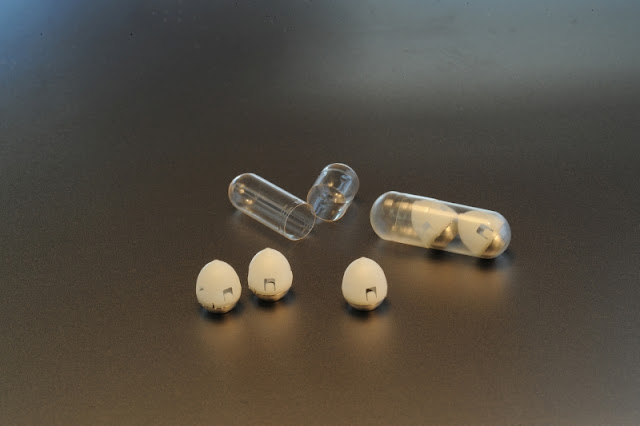
A group of researchers from the University of British Columbia who are creating oral insulin tablets to replace daily insulin injections have made a critical finding. Researchers have found that rats absorb insulin from the most recent iteration of their oral tablets in a manner similar to that of rats receiving insulin by injection. Professor Dr. Anubhav Pratap-Singh (he/him), the principal investigator from the faculty of land and food systems, says, "These exciting results show that we are on the right track in developing an insulin formulation that will no longer need to be injected before every meal, improving the quality of life, as well as mental health, of more than nine million Type 1 diabetics around the world." He reveals that his diabetic father, who has been injecting insulin three to four times a day for the past 15 years, served as the motivation for his hunt for a non-injectable insulin. The senior fellow in Dr. Pratap-lab, Singh's Dr. Alberto Baldelli (he...